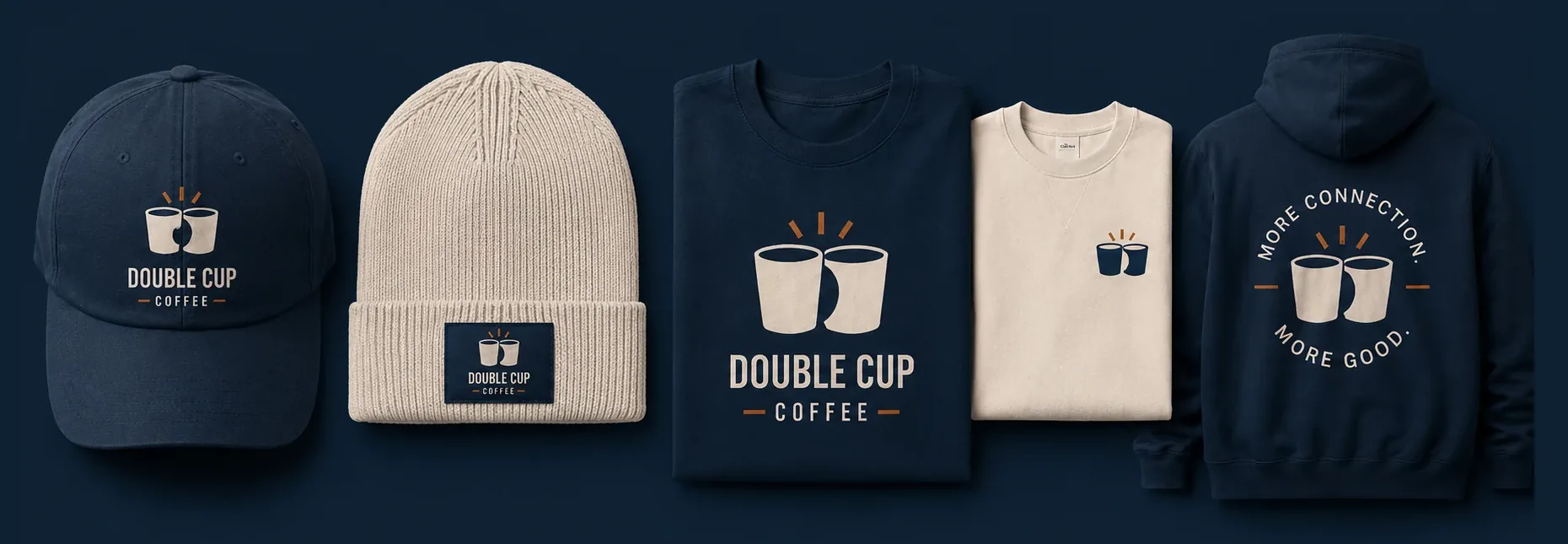
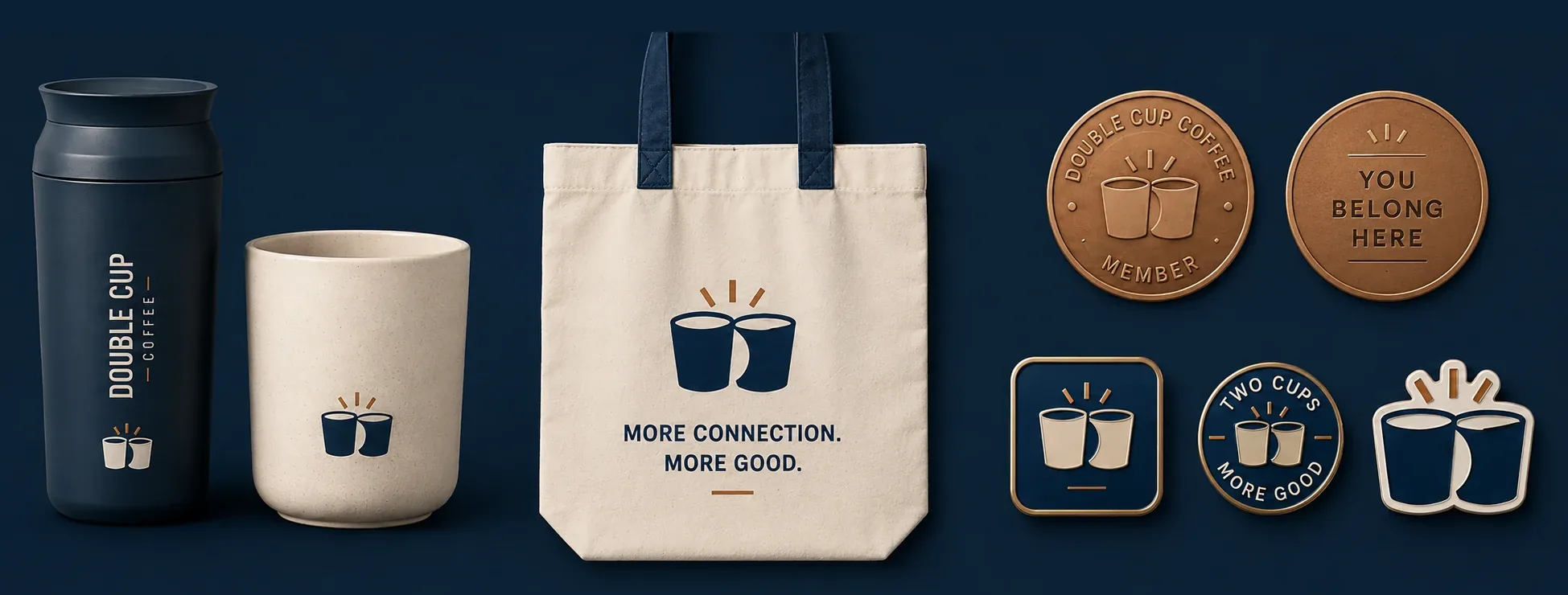
Turning one cup into two
multiplies the good it can do.
Loneliness is now a diagnosed public-health risk. Social isolation tracks with higher rates of depression, anxiety, substance use, relapse, and suicide, and across psychology, neuroscience, and public health, one finding keeps holding up: people are healthier when they feel connected. The people it hits hardest tend to be the ones healthcare has the hardest time reaching, usually long before anyone lands in a crisis. If disconnection is part of what drives the harm, then deliberate ways of building everyday connection deserve a place alongside the usual models of care.
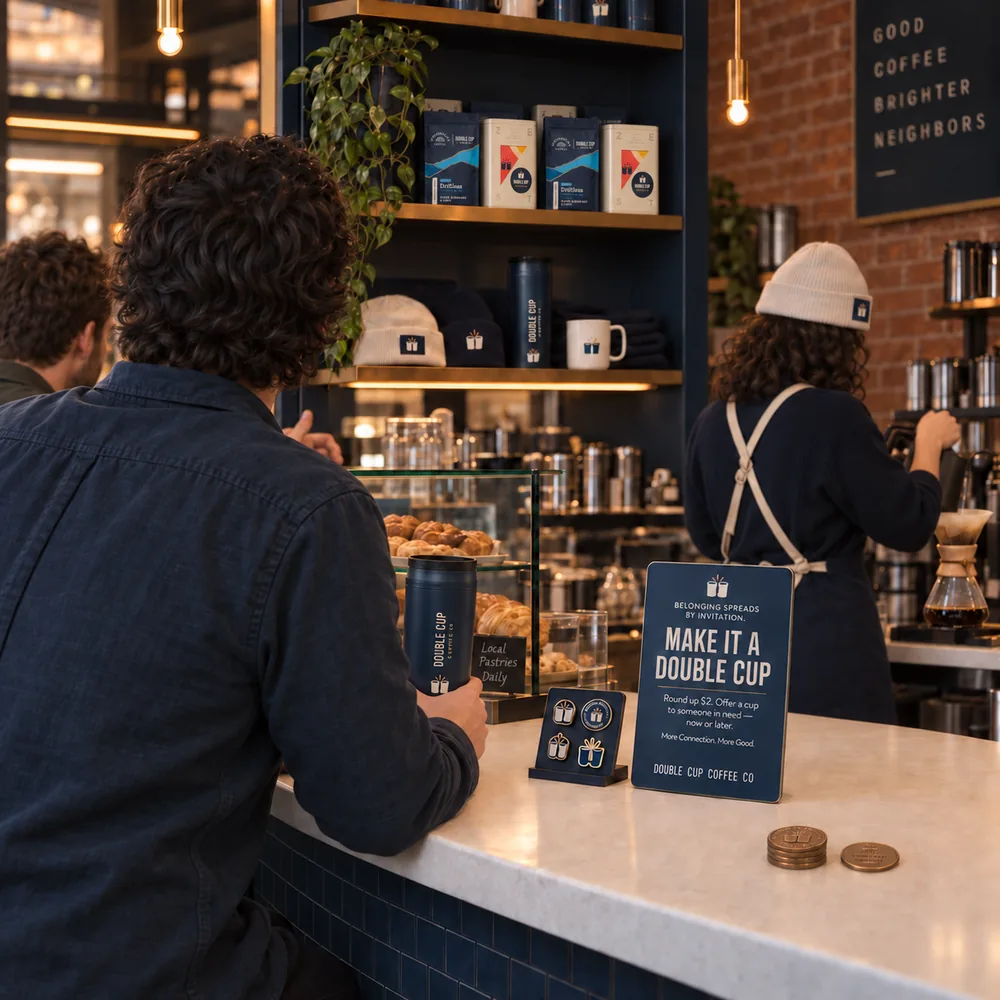
Double Cup takes one of the most ordinary parts of the day, sharing a cup of coffee, and makes it intentional. It isn't a replacement for therapy, recovery programs, or professional care. It's a low-cost, high-trust bridge that meets people where they already are, at the neighborhood coffee shop. And it doesn't try to sort who needs help from who has it to give. It just makes room for both, because we all have seasons of giving and seasons of receiving. For health plans and community sponsors, that everyday reach is what matters: a way to reach members long before a crisis, in a place they already trust.
This isn't only intuition. The link between connection and health has decades of research behind it, across loneliness, mental health, and recovery.
In twelve-step recovery, sponsors often grab two cups of coffee before a meeting, one for themselves and one for someone new. The second cup isn't about coffee; it's an invitation. Double Cup brings that ritual into everyday neighborhoods.
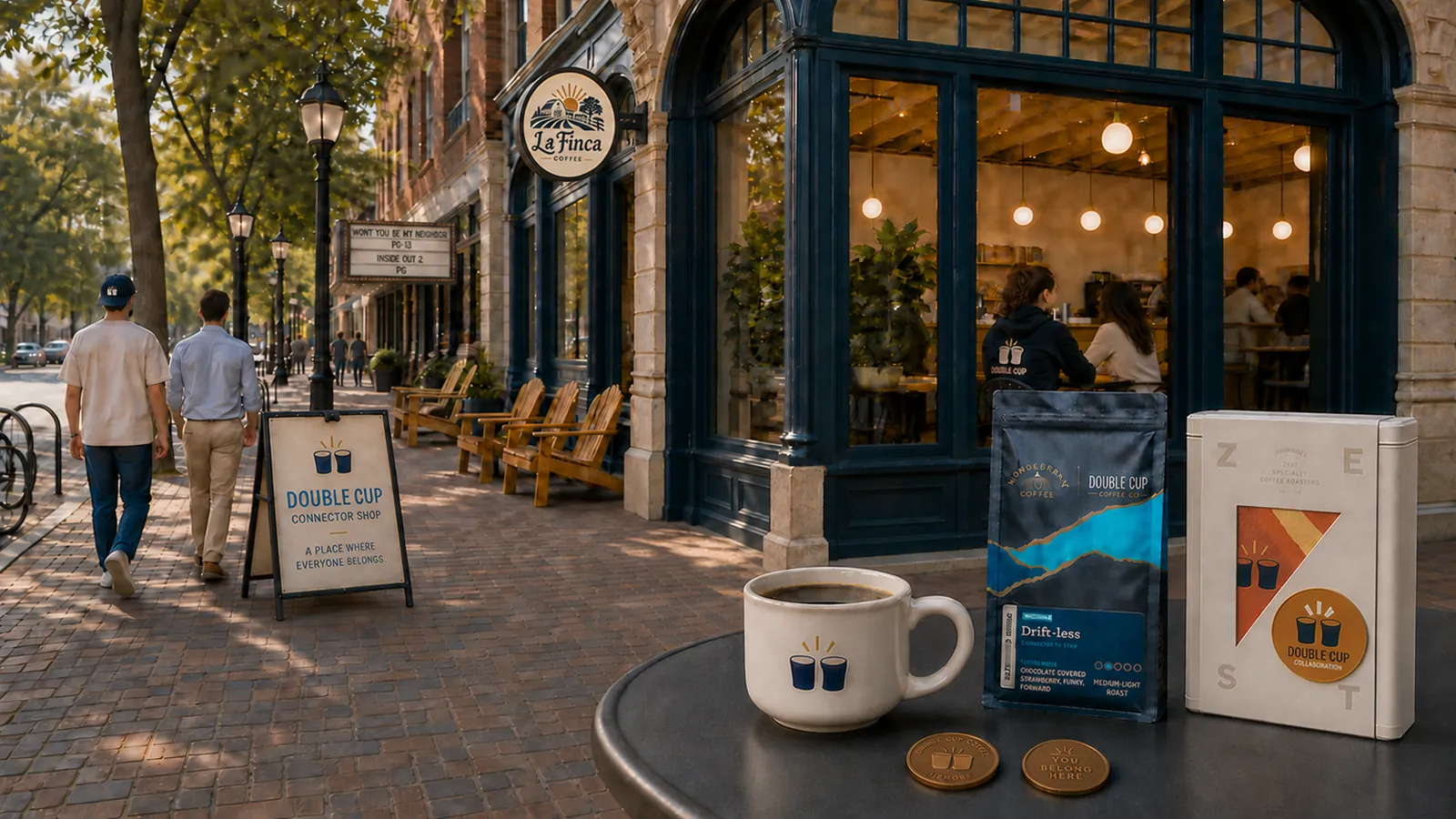
Loneliness, behavioral health needs, and disconnected communities keep growing. Coffee shops are already trusted neighborhood gathering places, and Double Cup simply helps them become intentional places of connection.
A community platform built around one idea: sharing a cup of coffee can open the door to belonging.
Double Cup helps neighborhood coffee shops become known for more than great coffee.
Participating coffee shops earn certification through training in hospitality, active listening, recovery-friendly communication, and local resource awareness.
The members a plan most wants to reach are often socially isolated, and they tend to drive avoidable behavioral-health and medical cost. They're also the hardest to reach by phone, portal, or mailer, and the least likely to pick up. Double Cup meets them somewhere they already go and trust: the neighborhood coffee shop. That reach into a population no one else can get to, not the price of a cup, is the fundable asset.
And it fits budgets that already exist. Medicare Advantage supplemental benefits and health-related social needs (HRSN) spend, along with Medicaid and D-SNP programs, already carry mandates and Stars / HEDIS pressure tied to isolation and social drivers of health. Members opt in to connect their plan inside Double Cup Club to unlock sponsored community benefits.
What the pilot is honestly for: to establish the link between coffee-shop connection and downstream engagement, not to assert it. The goal is a credible, privacy-protected signal a plan can act on. The Club recognizes generosity, not purchases.
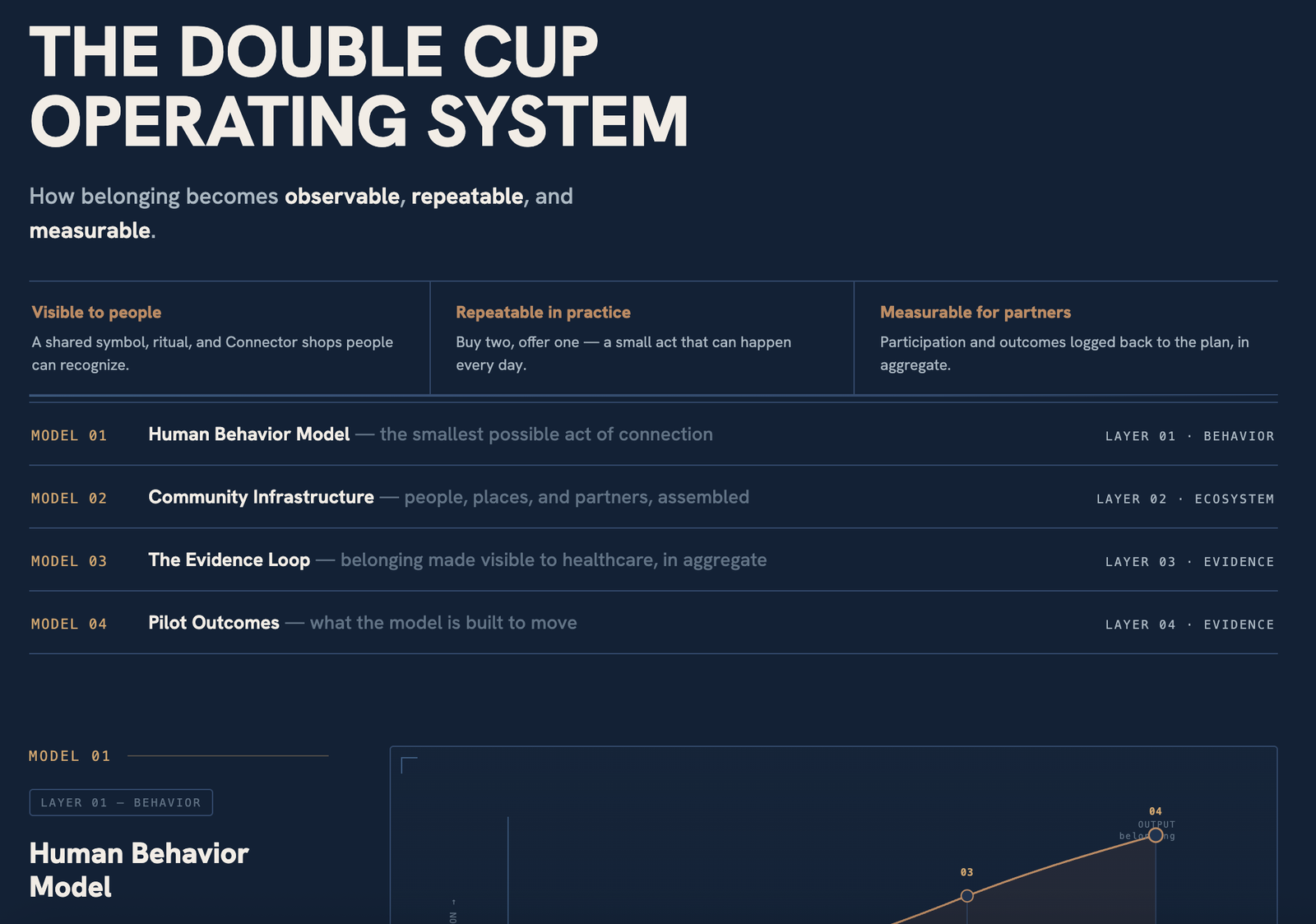
Double Cup measures community engagement while protecting member privacy.
Community participation
Double Cups funded & redeemed
Local engagement
Campaign impact
Member enrollment
Benefit utilization
Aggregate community engagement
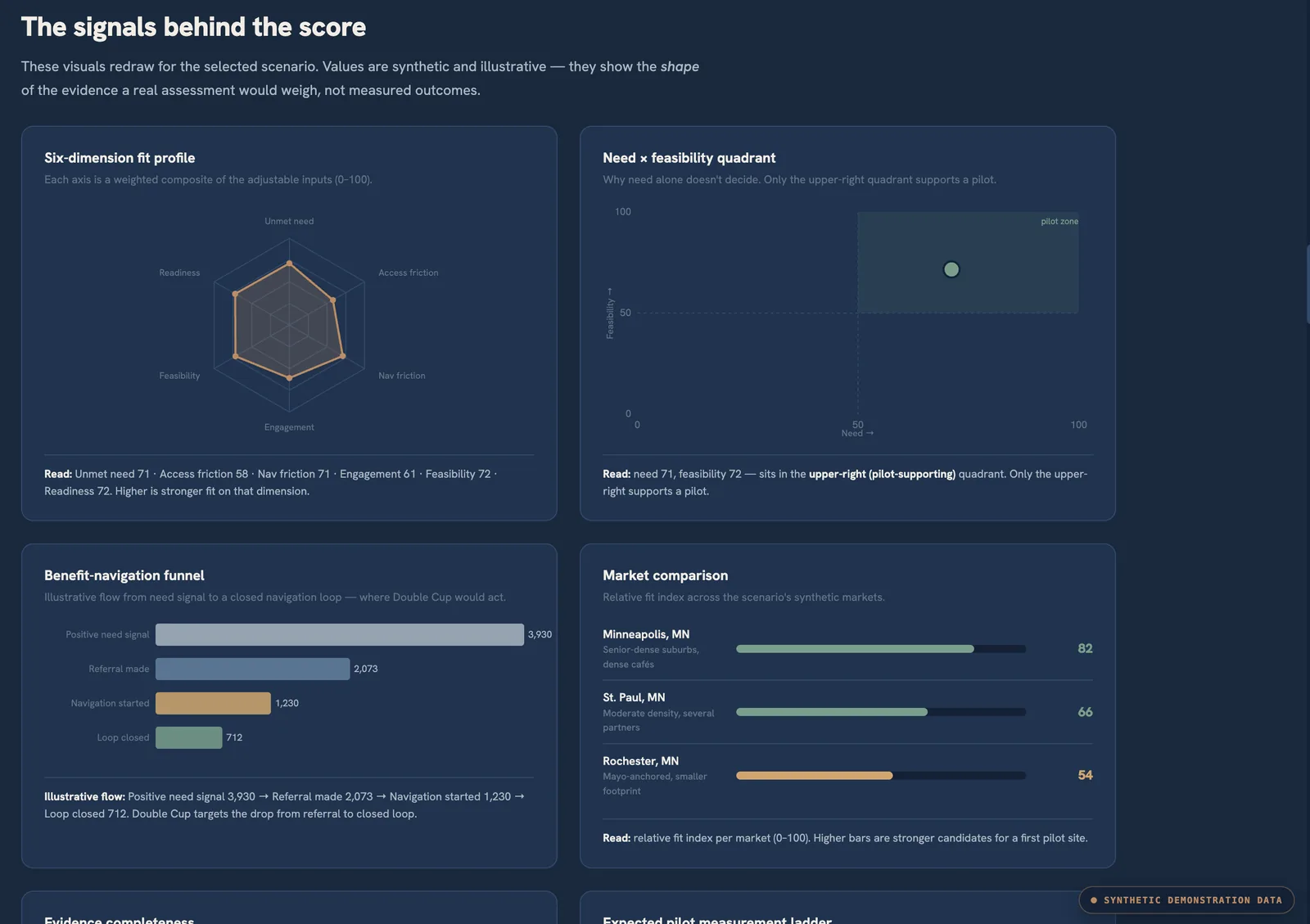
Health plans are now scored on whether they act on a member's social needs, not just flag them. That gap between screening and intervening is where a coffee-shop network earns its keep, and where the report digs in:
Illustrative prototype · synthetic data · shows the analysis format, not pilot findings
Double Cup is built on a simple belief: small moments of generosity can create stronger communities. The next step isn't scaling. It's learning. A neighborhood pilot would allow us to test the behaviors, partnerships, and economics that turn this idea into a sustainable community platform.
90-day neighborhood pilot
5–10 independent coffee shops
1–2 neighborhood nonprofits
1 employer or regional health plan
Early member cohort (250–500 members)
Double Cup Club mobile experience
QR check-in & Double Cup transactions
Coffee shop dashboard
Basic reporting & analytics