Coffee isn't
the product.
Belonging is.
We believe connection grows when it's attractive, approachable, and easy to practice.
Belonging doesn't spread by promotion.
It spreads by invitation.
Double Cup is a community infrastructure model that turns everyday coffee rituals, visible membership, neighborhood businesses, and healthcare partnerships into more opportunities for meaningful human connection. It makes belonging visible, repeatable, and scalable.
Loneliness has become one of the defining public-health challenges of our time. Across psychology, neuroscience, and public health, the evidence points in the same direction:
People are healthier when they feel connected.
Yet belonging is difficult to prescribe. Long before someone enters therapy, calls a crisis line, or seeks treatment, relationships often begin to shrink. Isolation grows quietly.
Double Cup explores whether thousands of small, ordinary invitations—made visible through a shared community identity—can help interrupt that cycle before it becomes something larger.

Small interactions become measurable community infrastructure.
The commitment isn't symbolic. It changes behavior. Members agree to:
Visible symbols make those behaviors easier to recognize and repeat.
Belonging rarely appears all at once. It grows through small, repeated acts of invitation.
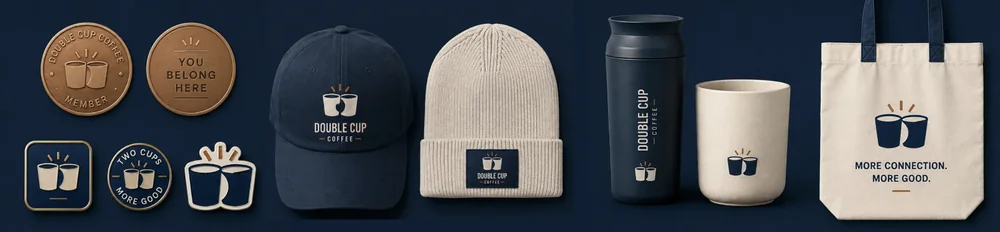
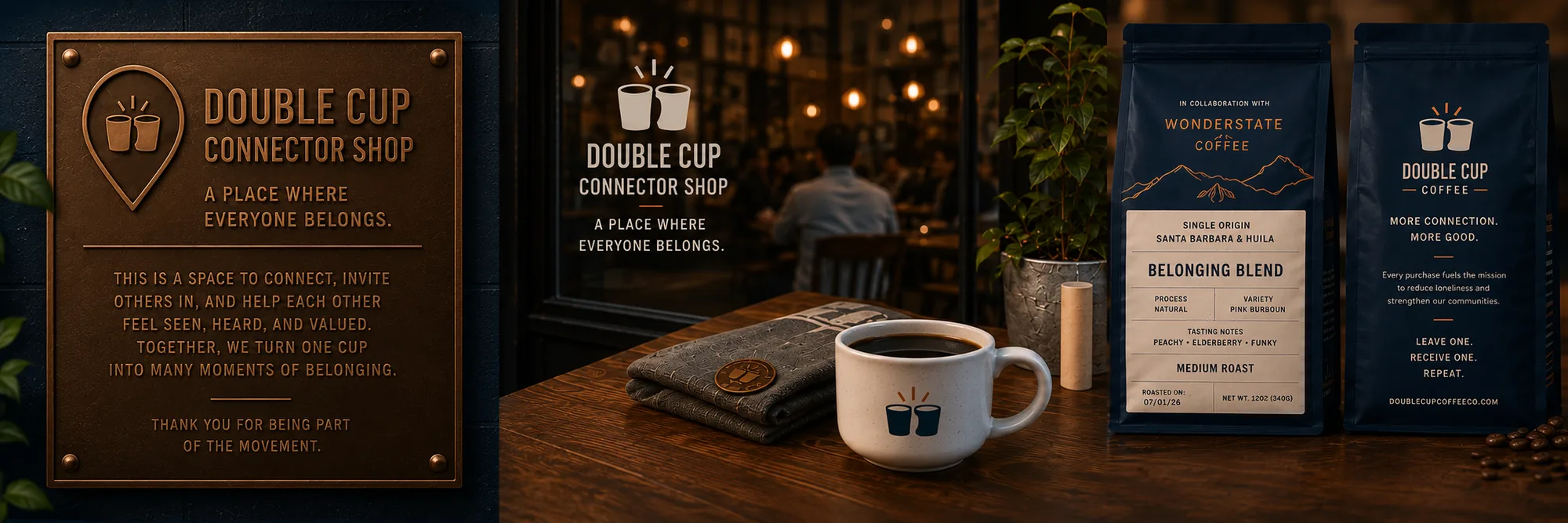
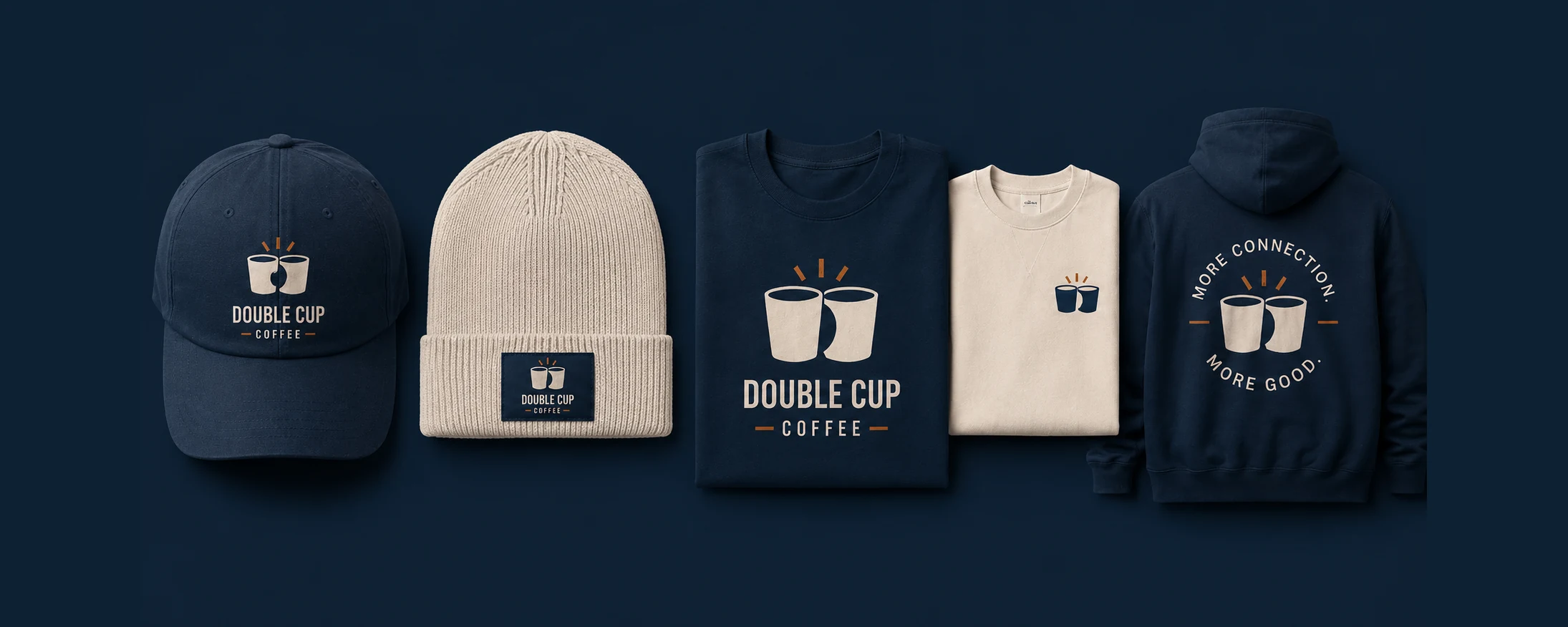
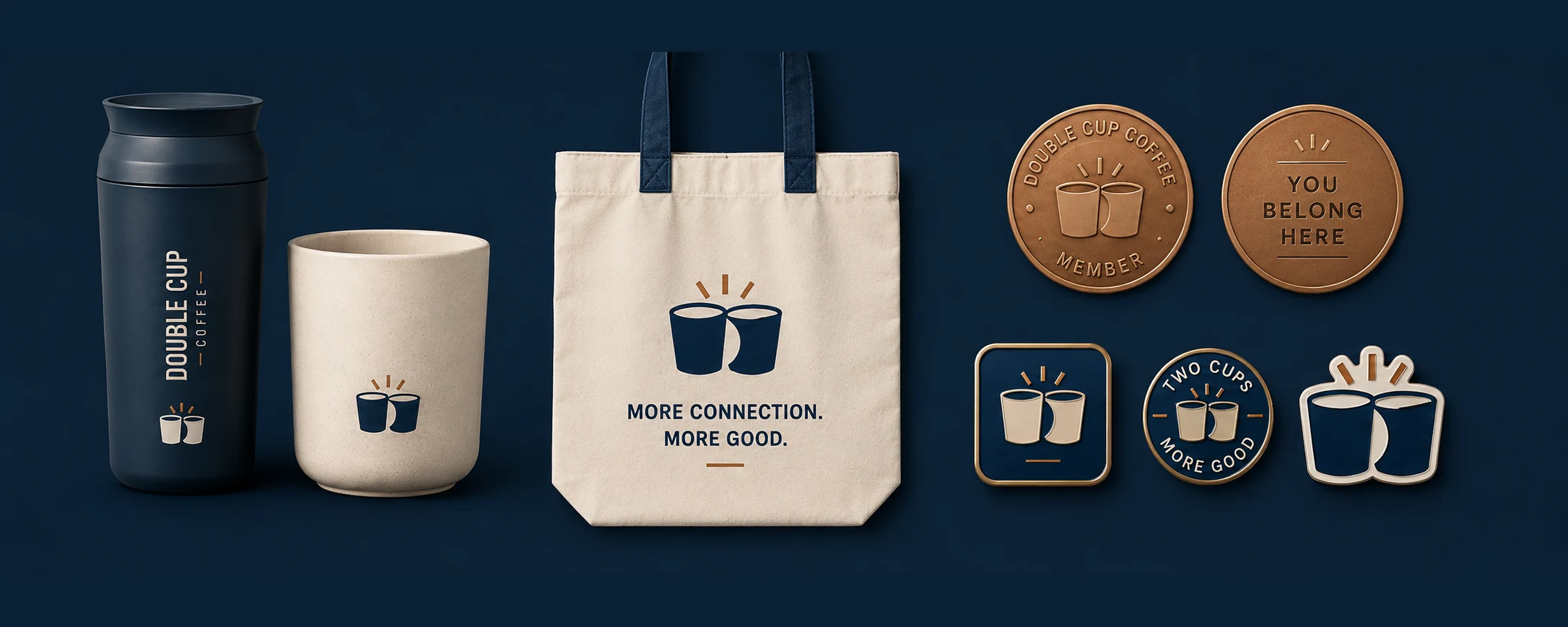
Double Cup helps neighborhood coffee shops become known for more than great coffee — through recognition people can hold, everyday goods they can wear and carry, and a hospitality certification for the shops themselves.
Take two cups.
One is an invitation.
In twelve-step recovery, one suggested practice is to grab two cups at the coffee pot. One for yourself and one for someone who may need it.
The Double Cup Rule.
The second cup isn’t really about coffee. It’s a simple opportunity to be of service.
Coffee shops are already trusted neighborhood gathering places. Double Cup helps them become intentional places of connection.
Generosity has a pull to it.
Practice small acts of service, in one place, often enough, and that place begins to draw people toward it. People who want to give know where to go. People who could use an invitation know where they’ll find one.
Every second cup adds a little more gravity. Over time, a participating shop becomes more than a place people pass through. It becomes a dependable point of connection, where generosity is visible, belonging feels natural, and everyone is welcome to take part.
You don’t apply to belong.
You belong when you choose to take part.
This isn’t only intuition. The link between connection and health has decades of research behind it, across loneliness, mental health, and recovery.
Double Cup measures participation and outcomes—not relationships. Reporting is consented, privacy-preserving, and aggregate. The pilot tests one thing: whether this everyday ritual creates belonging worth funding.
See how the model addresses the intervention gap—and examine the payer case, privacy architecture, competitive landscape, and evidence a pilot would need to produce.
Explore the Impact Report →